30 Oct, 2026
Renting a Luxury Car in Switzerland: The Complete Guide
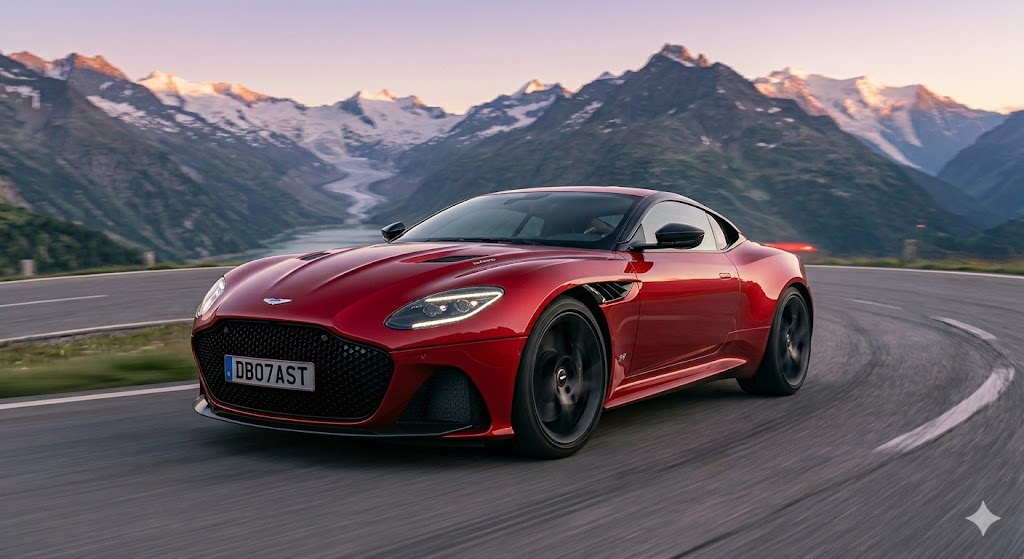
Switzerland may be one of the smallest countries in Europe, but for drivers it offers more than almost anywhere else. In a single day you can climb a legendary Alpine pass, cruise along the shore of a glacier-fed lake and arrive in a glamorous mountain resort in time for dinner. The roads are superbly maintained, the scenery changes around every bend, and the distances are short enough to fit several highlights into one trip. It’s no surprise that so many travelers choose to experience the country behind the wheel of a luxury car. This guide covers why Switzerland is made for driving, how to choose the right car and season, and what to expect on Swiss roads, so you can plan a trip that lives up to the setting.
Why Switzerland Is Made for Luxury Driving
The country’s Alpine passes are the stuff of driving legend. The Furka, Grimsel and Susten passes can be combined into a single loop of hairpins, glaciers and high mountain views, while the Klausen Pass winds through quieter valleys between the cantons of Glarus and Uri. On the southern side of the Gotthard, the historic Tremola road climbs through 24 hairpins on cobblestones laid around 1830, a reminder of how travelers crossed the Alps long before modern tunnels. For roads like these, a precise sports car such as the Porsche 911 GT3 or the McLaren 765 LT Spider turns every switchback into a highlight.
For a broader look at the country, the Grand Tour of Switzerland links the best of it into one route. Covering 1,643 km, it passes 22 lakes, five Alpine passes and 13 UNESCO World Heritage Sites, from the vineyard terraces of Lavaux above Lake Geneva to the palm-lined promenades of Lugano. Few cars suit this journey better than a convertible like the Aston Martin DB12 Volante or the Ferrari Roma Spider, especially on the lakeside stretches, where the mountains are reflected in the water. Most travelers drive the route in sections, choosing the stages that match their time and interests.
Switzerland is also home to some of Europe’s most exclusive destinations. St. Moritz, in the Engadin valley, has been synonymous with winter glamour for more than a century, while Gstaad attracts a discreet international crowd to its chalets and luxury hotels. Montreux, on the shores of Lake Geneva, combines a mild climate with a famous jazz festival each summer. Zermatt, at the foot of the Matterhorn, is a special case: the village is car-free, so drivers park in Täsch, about 5 km away, and continue by shuttle train in just 12 minutes.
Choosing Your Car and the Best Time to Go
Summer is the season for the classic Swiss road trip. The highest Alpine passes usually open between late May and June and close again in autumn, depending on the snow, so the months from June to October are the best time to drive them. This is when convertibles and sports cars are at their best, with long days, warm weather and the passes at their most spectacular. Early mornings are ideal for mountain driving, before traffic and cyclists build up, and the evening light on the lakes makes for unforgettable drives back to your hotel.
Winter brings a completely different kind of trip. Many high passes are closed, but tunnels and major routes remain open, and some passes, such as the Julier on the way to St. Moritz, are kept open year-round. This is the time for a luxury SUV with all-wheel drive, such as the Bentley Bentayga or the Lamborghini Urus Performante, which offers confidence on snowy roads and plenty of room for skis and luggage. For families heading to the slopes, the Mercedes-AMG G63 or the Range Rover Vogue combines comfort with the capability to handle Alpine conditions.
Where you start matters too. Zurich is the most convenient base for most visitors, with a major international airport, quick access to the Alps and many of the country’s best roads within a few hours’ drive. From there, you can head south to the Gotthard and the Big Three passes, east toward Graubünden and St. Moritz, or west to Lucerne and the Bernese Oberland. Plan your route around the season, and you’ll get the most out of every day behind the wheel.
Driving in Switzerland: What to Expect
Swiss roads are among the best maintained in the world, but the rules are taken seriously. Speed limits are generally lower than in neighboring countries, typically 120 km/h on highways, 80 km/h on rural roads and 50 km/h in towns, and enforcement is famously strict. Fines start at CHF 40 for exceeding the limit by just a few km/h and rise quickly from there. Speed cameras are common, so the simplest approach is to follow the signs and enjoy the scenery at a relaxed pace.
Mountain roads come with their own etiquette. On certain routes, marked with a sign showing a yellow post horn on a blue background, the yellow PostBuses have priority over other traffic, and you’ll often hear their distinctive three-tone horn before a blind bend. On narrow sections where two cars cannot pass, the vehicle going uphill generally has priority. Cyclists and motorcyclists are common on popular passes in summer, and the weather can change quickly at altitude, so allow plenty of time and keep an eye on the forecast.
A few practical details are worth knowing too. Several famous resorts, including Zermatt and Wengen, are car-free, so plan to park and continue by train. When a pass is closed, or if you’d rather skip a stretch of mountain road, car trains offer an easy alternative: services through the Lötschberg, Furka and Vereina tunnels carry cars and passengers across the Alps in minutes. It’s a uniquely Swiss experience and a reminder of how well the country connects its mountain regions.
Switzerland rewards drivers who plan ahead. Choose your season, match your car to the roads you want to explore and leave time to stop at the viewpoints, lakeside villages and mountain huts along the way. If you’re new to renting a high-end car abroad, our guide to luxury car rental in Europe covers booking requirements, insurance and other essentials. And when you’re ready to hit the road, luxury car rental in Zurich is the perfect place to begin your Swiss adventure.
Latest Blog
Luxury Car Rental in Zurich: The Perfect Road Trip to St. Moritz
30 Oct, 2026
Luxury Car Rental in Europe: What to Know Before You Book
14 Sep, 2026
Beyond the Skyline: Weekend Getaways from Frankfurt by Luxury Car
14 Sep, 2026
The Best Day Trips from Munich by Car: Castles, Lakes and Alpine Roads
14 Sep, 2026