Luxury Car Rental in Europe: What to Know Before You Book
Few experiences capture the spirit of Europe quite like driving it yourself. Picture a convertible on the shores of Lake Como, a sports car climbing the hairpins of a Swiss mountain pass or a luxury SUV cruising toward the ski slopes of the Bavarian Alps. Renting a luxury car turns travel into something personal, giving you the freedom to set your own route and pace. But Europe is a patchwork of countries, each with its own roads, rules and expectations, and a little preparation goes a long way. In this guide, we cover how to choose the right car, what rental companies usually require and the driving rules worth knowing before you set off.
Choosing the Right Car for Your Trip
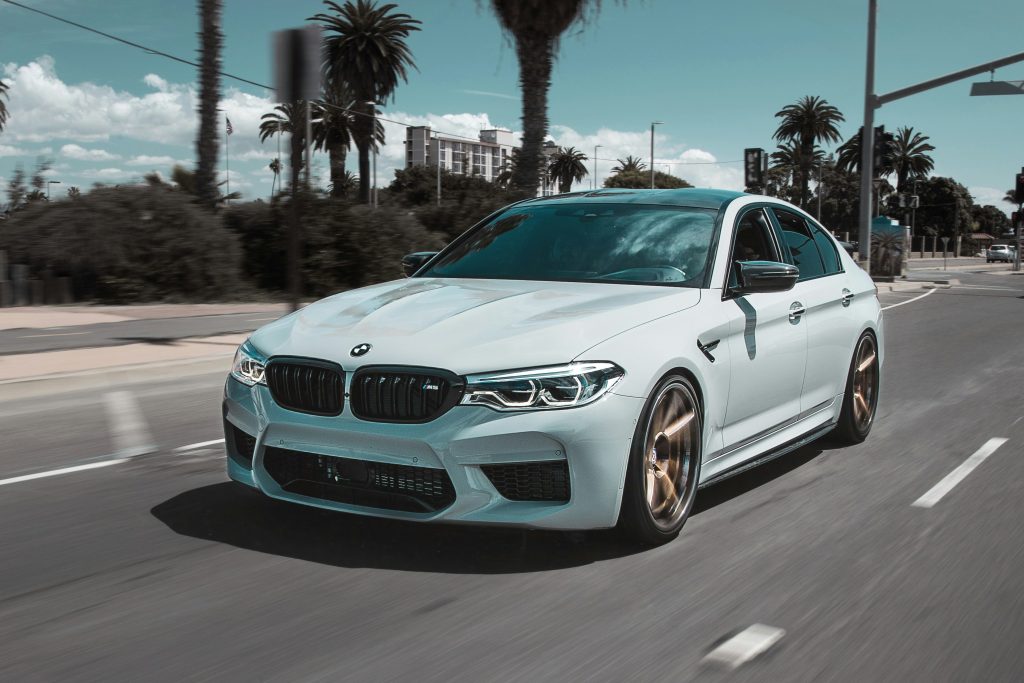
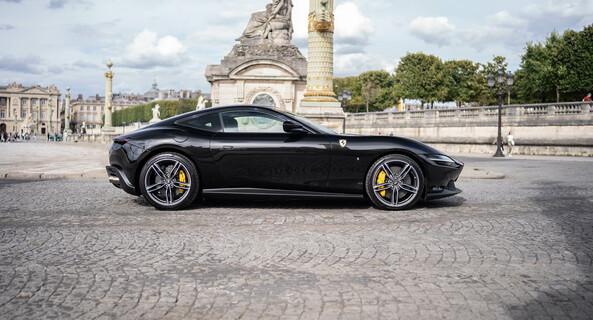
Start with the kind of trip you have in mind, because the best car for one journey can be the wrong choice for another. For coastal roads and lakeside drives, nothing beats a convertible such as the Porsche 911 Carrera S Cabriolet or the Bentley Continental GTC, which let you enjoy the views and the sunshine at the same time. If winding mountain roads are on the itinerary, a sports car with sharp handling, like the Porsche 911 GT3 or the Lamborghini Huracan EVO, will make every bend memorable. Families and groups are usually happiest in a luxury SUV such as the Range Rover Vogue or the Mercedes-AMG G63, with room for passengers, luggage and the occasional case of wine.
The season matters just as much. Summer is the time for open-top cars, coastal routes and Alpine passes, many of which are only open from late spring to autumn. In winter, the focus shifts to the mountains, and an all-wheel-drive SUV like the Lamborghini Urus or the Bentley Bentayga brings confidence on snowy roads and space for skis. The shoulder seasons, from April to June and from September to October, often combine pleasant weather with quieter roads, making them ideal for longer road trips.
Finally, think about where to start. Major cities such as Milan, Munich and Zurich make excellent bases thanks to their airports and highway connections, while destinations like Marbella or Forte dei Marmi put you right in the middle of the action. Choosing a pick-up location close to your first stop saves time and lets you begin the trip exactly where the best roads are.
Understanding Rental Requirements
Luxury and sports cars usually come with stricter requirements than standard rentals. Many companies set a higher minimum age for high-performance models, often 25 or older, and may ask that you have held your license for several years. A valid driver’s license is essential, and drivers whose licenses were issued outside the European Union may also need an International Driving Permit in countries such as Italy or Spain. It’s worth checking these details early, since requirements can vary by car category as well as by country.
Deposits are another area where luxury rentals differ. Because of the value of the cars, the security deposit is typically higher, and it’s usually held on a credit card in the main driver’s name. Take time to understand what the insurance covers, including the amount you would pay in case of damage, and whether additional protection is available. Many rentals also include a set mileage allowance, so if you’re planning a long road trip, make sure the allowance matches your route.
If your plans cross borders, mention it when you book. Driving from Italy into Switzerland or from Germany into Austria is easy in practice, but some rental agreements limit which countries a car can visit or require advance notice. The same applies to one-way trips: picking up a car in one city and returning it in another can be a great way to see more, but it needs to be arranged ahead of time. Since every provider sets its own terms, always read the rental conditions carefully before confirming your booking.
Driving in Europe: Rules Worth Knowing
Europe’s historic city centers were built long before cars, and many are protected by restricted traffic zones. In Italy, these ZTL zones are monitored by cameras, and entering without authorization can result in fines that arrive months after your trip. The easiest approach is to park at your hotel or in a public garage on the edge of the center and explore on foot. Parking in big cities is often limited and expensive, so hotels with private parking or valet service are well worth choosing when you travel with a high-value car.
Speed limits and enforcement vary widely. Germany is famous for stretches of Autobahn without a fixed limit, although a recommended speed of 130 km/h applies and many sections have variable limits shown on overhead signs. Switzerland, by contrast, is known for strict enforcement, with fines for even small violations. Italy, France and Spain rely on speed cameras on highways and in towns, so it pays to follow the signs closely wherever you drive.
Highway tolls are common in France, Italy and parts of Spain, and they are usually paid at toll booths by card or cash, so keep a payment card within easy reach. Mountain roads deserve extra attention, too, with tight hairpins, cyclists and changing weather, especially at high altitude. Plan your route in advance, check pass opening times in spring and autumn, and allow more time than navigation apps suggest.
Renting a luxury car in Europe is easier than ever, and with the right preparation it can be the highlight of your trip. Book early, especially for summer and major events, read the rental terms carefully and match your car to the roads you plan to drive. Whether you plan to explore the Italian lakes with a luxury car rental in Milan, head into the Bavarian Alps from Munich, take on the mountain passes after picking up your car in Zurich or cruise the Spanish coast with a luxury car rental in Marbella, the perfect drive starts with the right car.
You May Also Like
14 Sep, 2026
Beyond the Skyline: Weekend Getaways from Frankfurt by Luxury Car
Frankfurt is best known for its skyline, its banks and one of the busiest airports in Europe, but it is also an ideal starting point for some of the most beautiful drives in Germany.
The Best Day Trips from Munich by Car: Castles, Lakes and Alpine Roads
Munich is one of the best bases in Europe for a road trip. Within two hours of the city you'll find fairytale castles, crystal-clear lakes and some of the most scenic mountain roads in Germany.